Tell: +86 15890068607
 Service time
24 Hours Service
 Write to us

Tell: +86 15890068607
Service time
24 Hours Service
Write to us
 Dec 16,2025
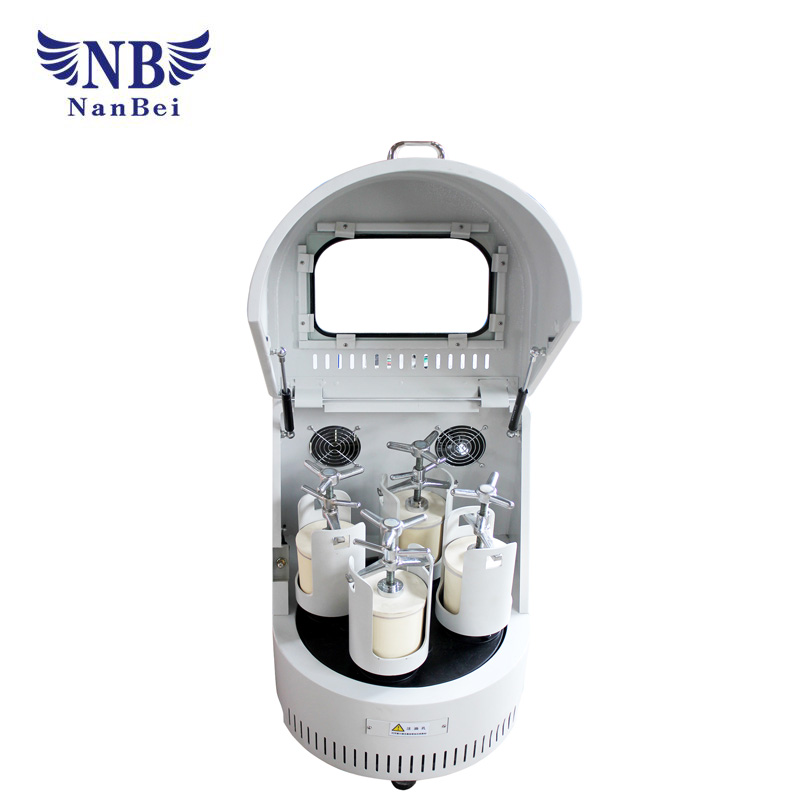
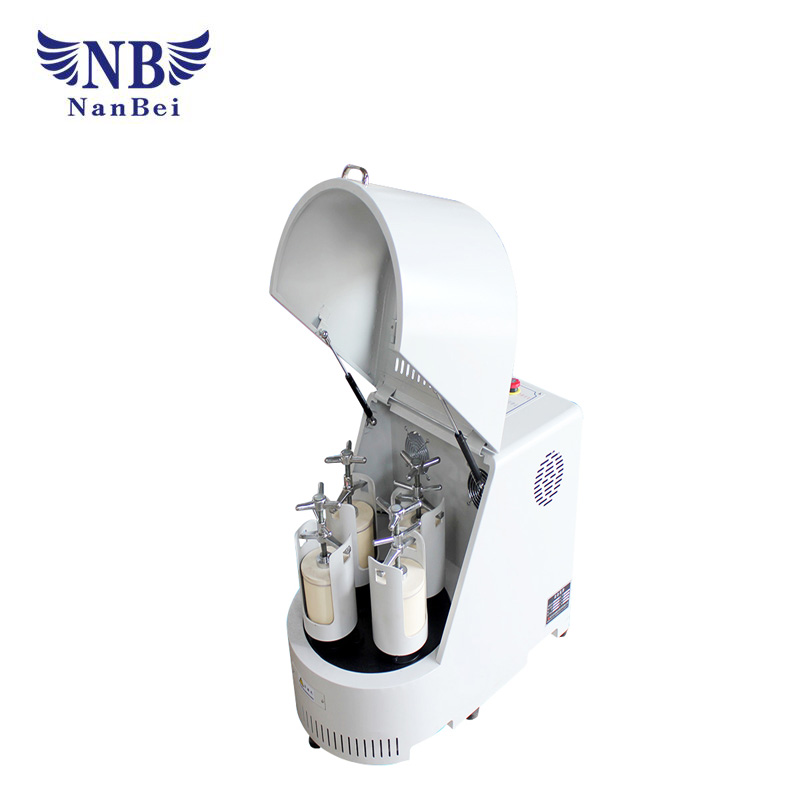
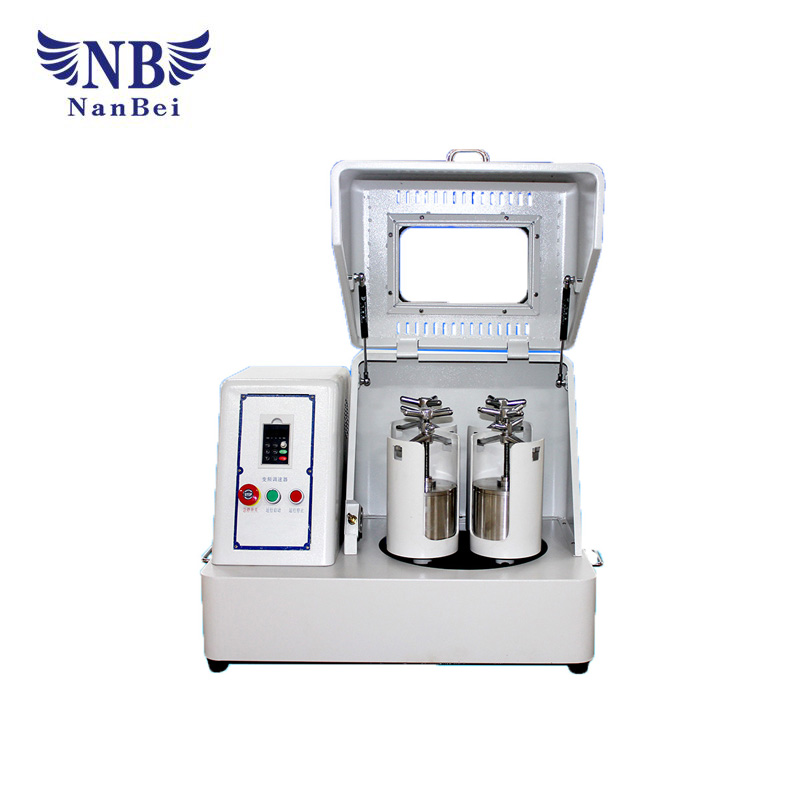
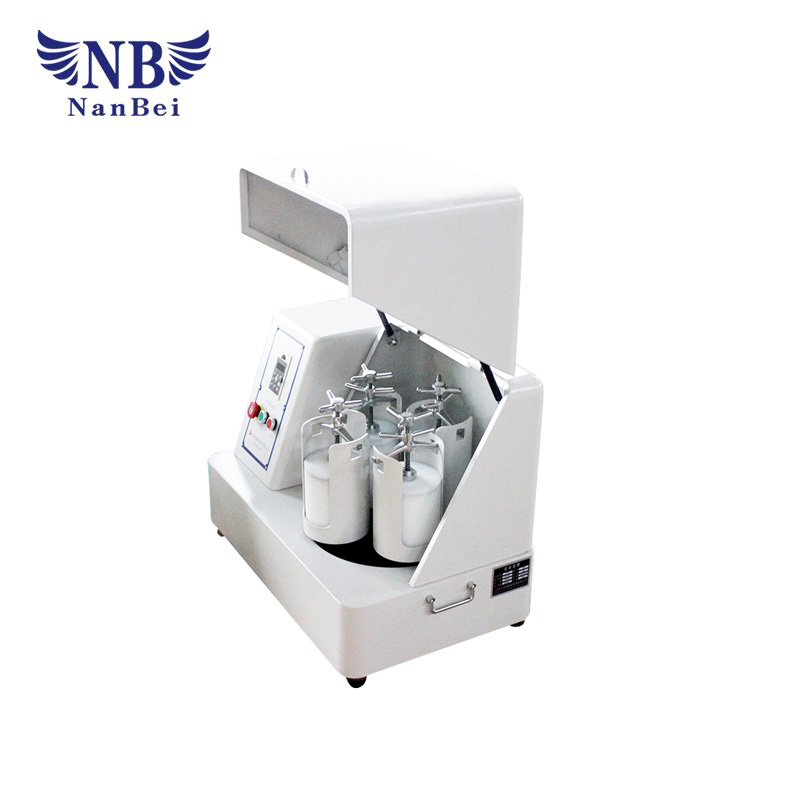
Planetary ball mills sometimes experience material settling after a period of use. The ground material doesn't become powder but forms large clumps, pressing all the powder to the bottom of the mill jar. What should you do if this material settling occurs in a planetary ball mill?
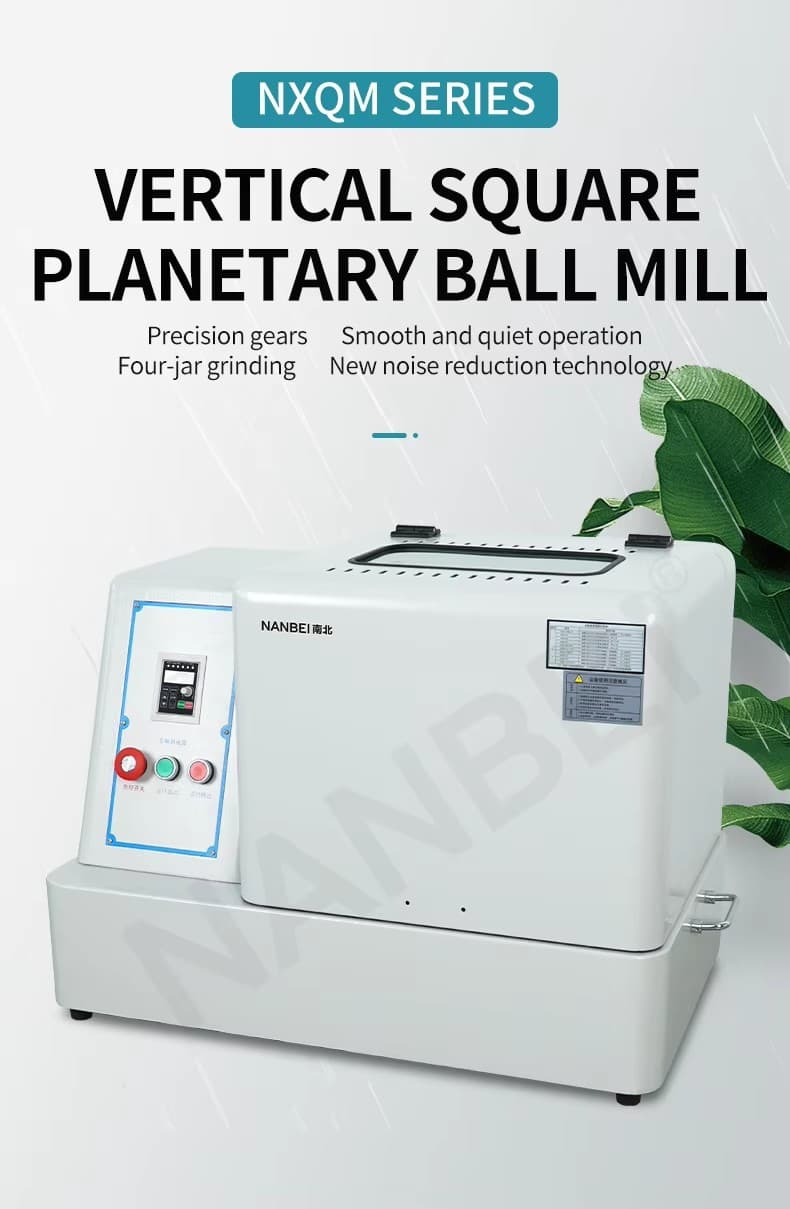
First, consider the reasons for material settling in lab planetary ball mill. The main reason for material settling and solidification is the collision and compression between the material particles and the grinding balls themselves. In wet grinding, grinding aids are filled between the material particles to prevent agglomeration and solidification. Excessively high or low rotational speeds of the planetary ball mill can also cause this phenomenon, so these should be avoided as much as possible during use. Regarding speed control, the speed needs to be adjusted for different materials, and the choice of ball mill also affects the speed. When grinding different materials, choose a good ball mill and control the speed accordingly.
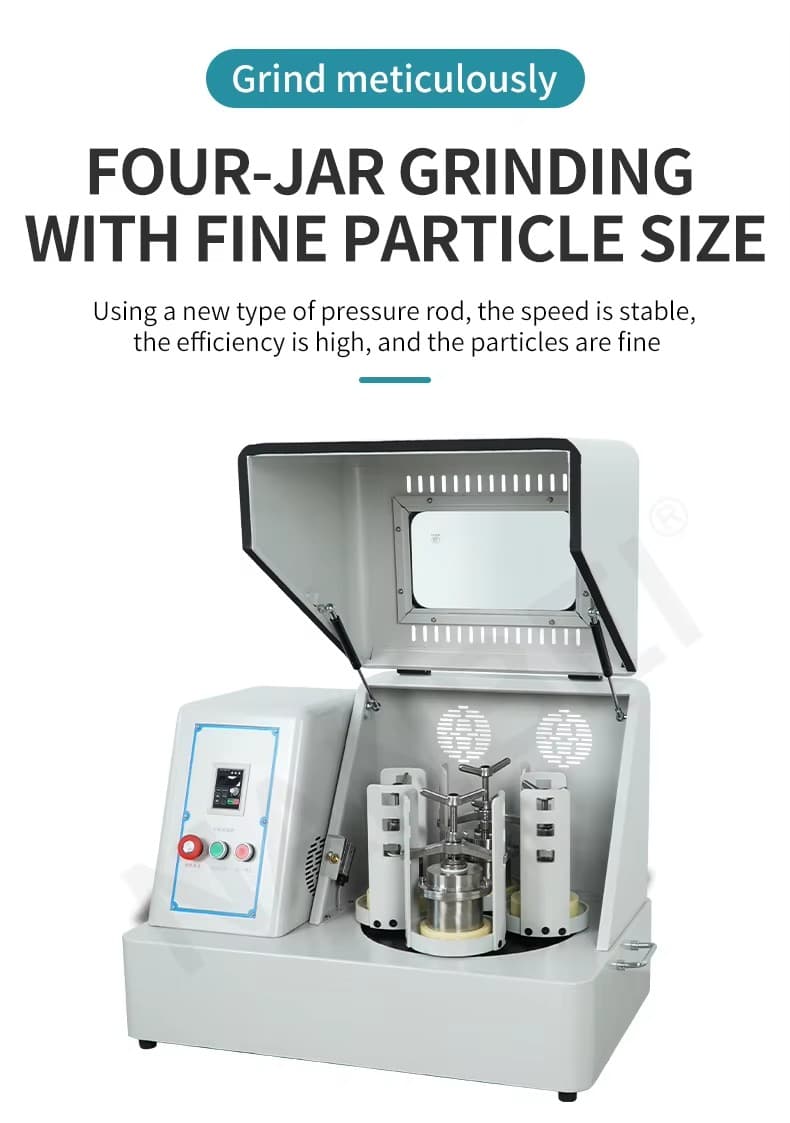
Furthermore, about wet grinding ball mills, omnidirectional planetary ball mill is a better choice because it is highly effective at reducing the settling and adhesion of certain materials. Compared to vertical planetary ball mills, omnidirectional ball mills offer 360° rotation in three-dimensional space. The mill can move in multiple directions, increasing the impact and friction between the grinding balls and the material, allowing for more uniform and fine grinding of the entire material within the grinding chamber. This can effectively solve the problem of material settling in planetary ball mills.

2020-Oct-29

2020-Oct-29